October 19, 2026
Trees contribute to the appearance, comfort, and character of a residential property. They provide shade, create privacy, support wildlife, and make outdoor spaces more enjoyable. However, maintaining trees involves more than allowing them to grow naturally. Branches can become overgrown, diseases may develop, storms can cause damage, and aging trees may present safety concerns. Homeowners often need professional tree services to address these situations while protecting their landscaping and surrounding property. Knowing when to seek assistance can help maintain healthy trees and prevent avoidable problems. Understanding the common reasons for hiring tree care professionals helps homeowners make informed decisions about their outdoor spaces.
Removing Dead or Dying Trees
One common reason homeowners seek professional tree care is the presence of a dead or dying tree. Trees may decline because of disease, insect infestations, drought, root damage, or environmental stress. Warning signs include dead branches, peeling bark, fungal growth, thinning foliage, and changes in leaf color. Although some symptoms may be temporary, widespread deterioration can indicate declining health. When structural strength decreases, a tree may become more vulnerable to breaking during storms.
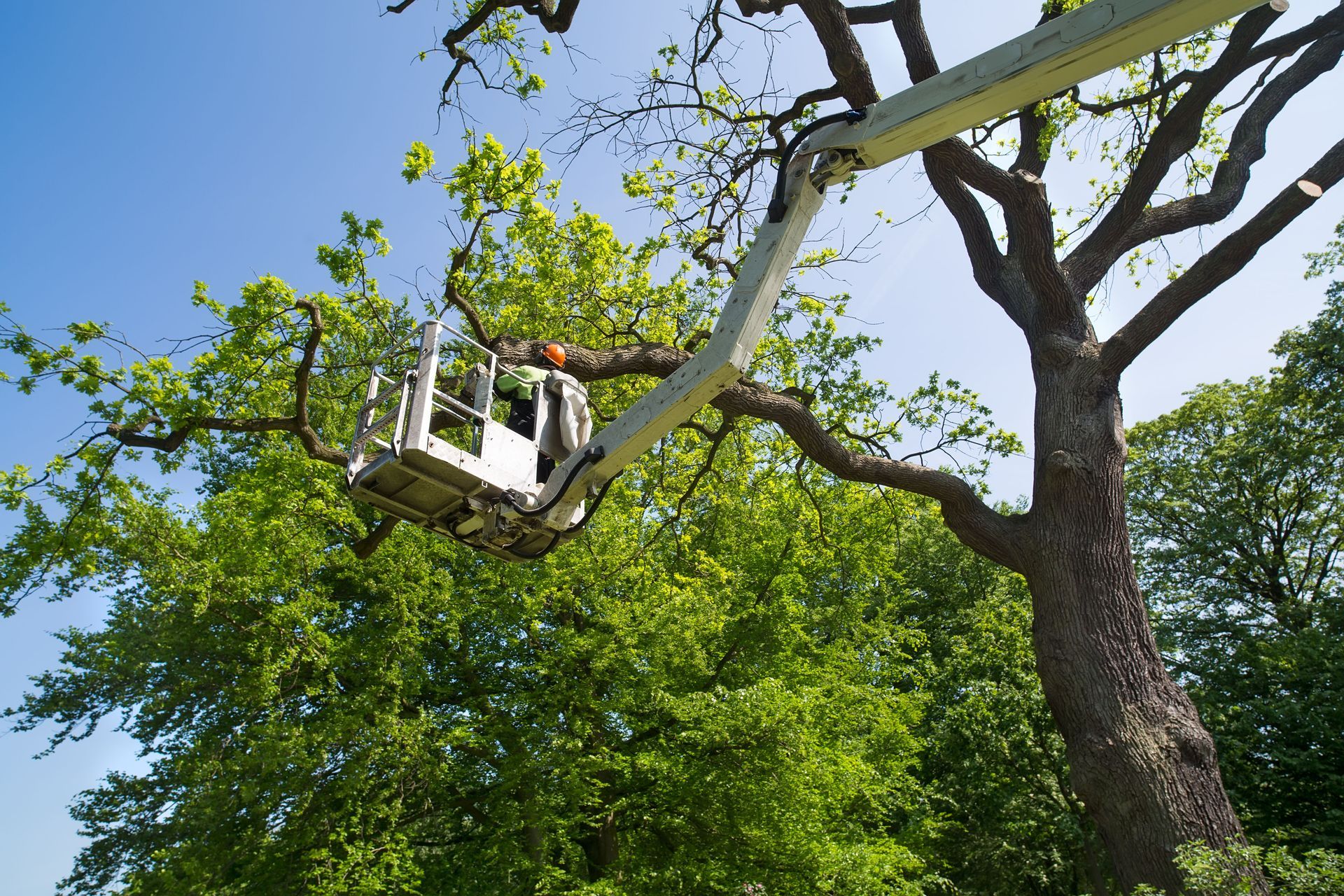
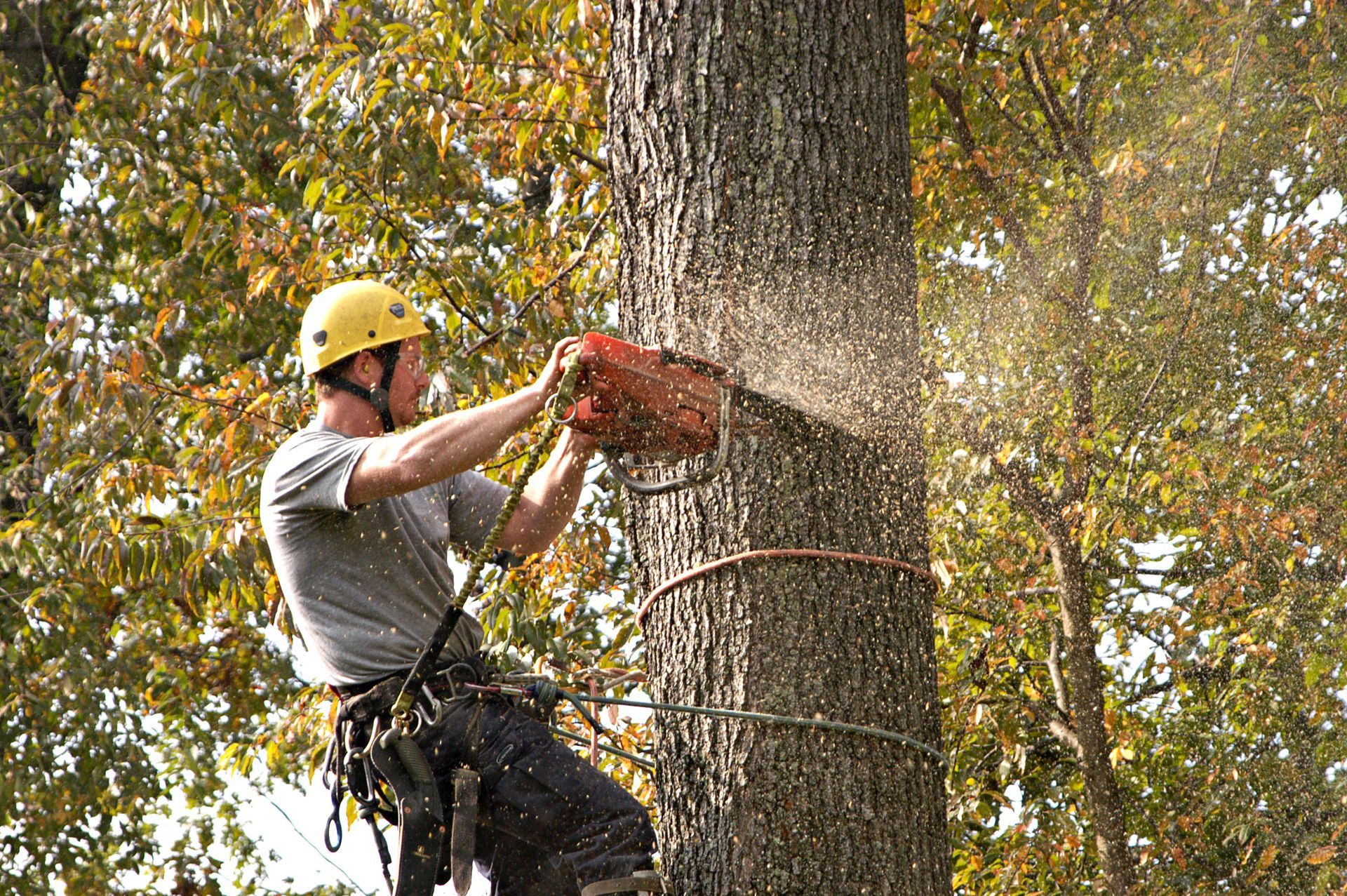
Professional tree services can help homeowners determine whether a declining tree should be removed or treated. Removing a large tree requires careful planning because nearby buildings, fences, utility lines, and landscaping can complicate the process. Trained crews use specialized equipment and controlled techniques to dismantle trees while limiting damage to surrounding areas. Addressing a compromised tree before it falls can help prevent unexpected property damage.
Trimming Overgrown Branches
Tree branches can grow beyond their intended space as trees mature. Limbs may extend over rooftops, interfere with walkways, block driveways, or grow too close to neighboring properties. Dense branches can also reduce sunlight reaching lawns and gardens. While some growth is desirable, excessive or poorly directed branches may create maintenance concerns. Regular trimming helps homeowners manage tree size and shape while maintaining clearance around important areas.
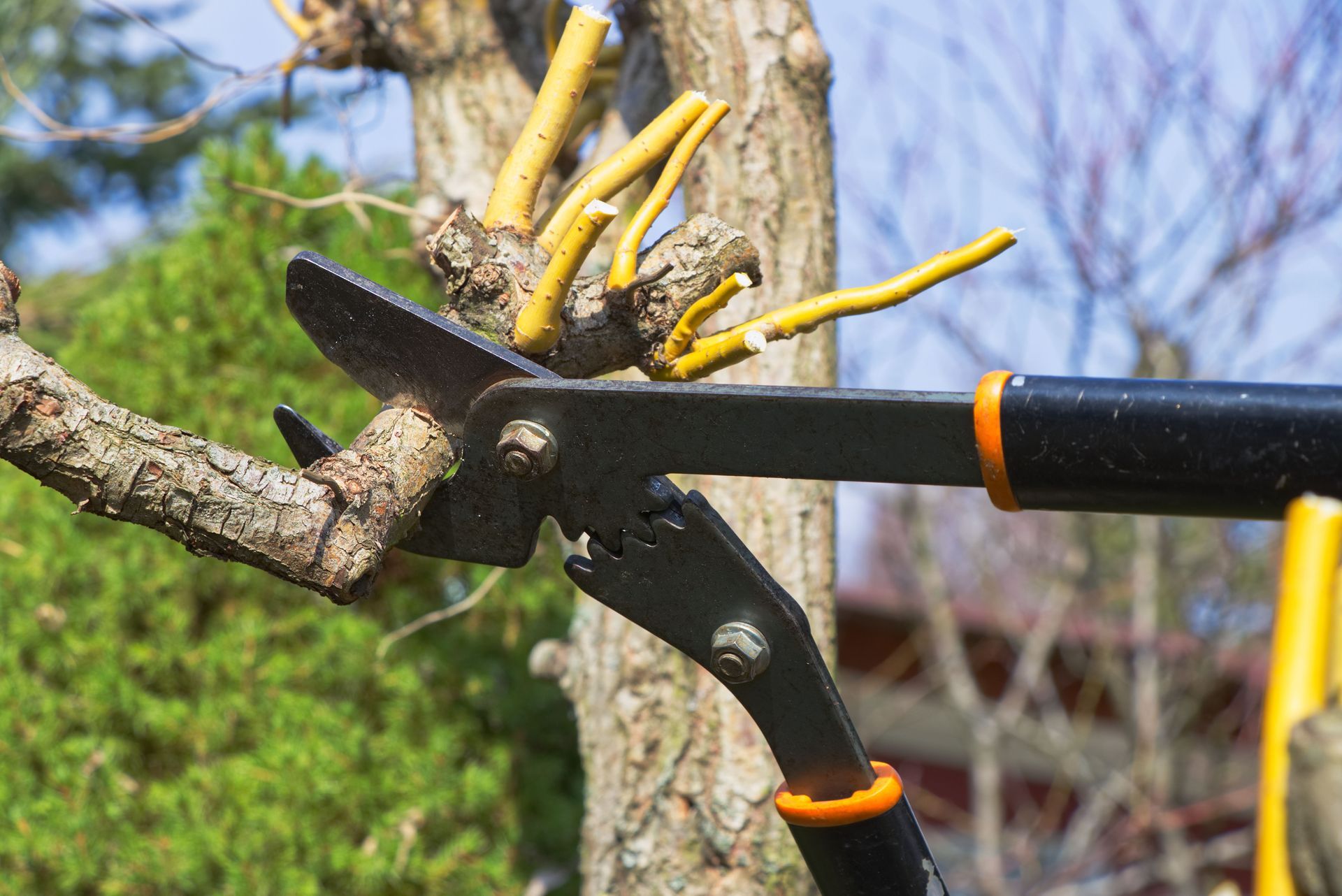
Professional pruning involves more than cutting inconvenient branches. Tree care specialists consider branch structure, growth patterns, seasonal conditions, and overall tree health before making cuts. Removing selected branches can improve clearance, reduce excessive weight, and encourage balanced growth. Improper trimming may leave unnecessary wounds or weaken the tree. Working with experienced professionals helps homeowners maintain attractive trees without compromising their long-term condition.
Addressing Storm-Damaged Trees
Severe weather can damage trees even when they appeared healthy beforehand. Strong winds, heavy rainfall, lightning, and falling debris can break branches, split trunks, or cause trees to lean unexpectedly. Sometimes the damage is obvious, such as a large limb resting on a roof or blocking a driveway. In other cases, cracks or weakened attachments may remain hidden within the canopy. These conditions deserve attention because damaged branches can fall later.
Homeowners frequently request tree services after storms to remove fallen limbs, evaluate damaged trees, and address immediate hazards. Professionals can determine whether a tree remains structurally sound or requires pruning or removal. Trees that have shifted near power lines or become lodged against buildings require particular caution. Homeowners should avoid approaching downed electrical lines or cutting unstable branches themselves. Prompt assessment can help restore access and reduce further damage.
Preventing Damage to Nearby Structures
As trees grow, their branches and root systems can begin interacting with nearby structures. Limbs may scrape roofing materials, press against siding, or hang above outdoor living areas. Roots can sometimes affect pavement, retaining walls, or other landscape features, particularly where growing space is limited. Although roots do not automatically damage sound foundations, existing weaknesses and soil conditions can influence how structures respond to nearby growth.
Tree care professionals can evaluate the relationship between mature trees and surrounding structures. They may recommend selective pruning, monitoring, or removal when a tree presents an unacceptable risk. Decisions involving roots require special care because unnecessary cutting can weaken stability or interfere with nutrient absorption. A professional assessment helps homeowners consider tree health alongside property protection. This approach can preserve desirable landscaping while addressing potential problems.
Managing Tree Diseases and Pest Problems
Trees can experience health problems caused by fungi, bacteria, insects, and unfavorable growing conditions. Symptoms may include discolored leaves, unusual growths, damaged bark, premature leaf loss, or dying branches. Some insects cause visible holes, while others damage foliage or feed beneath the bark. Because different problems can produce similar symptoms, homeowners may struggle to identify the cause. Delaying an evaluation can allow certain issues to spread.
Professional tree services may include evaluating symptoms, identifying contributing conditions, and recommending appropriate care. Depending on the situation, treatment could involve targeted pruning, improved growing conditions, pest management, or removal of affected material. Not every unhealthy tree requires removal, and some problems can be managed when detected early. Professionals can also explain how watering practices, soil conditions, and physical damage influence tree health.
Improving Property Appearance and Value
Healthy, well-maintained trees can make residential properties more inviting. Mature trees provide visual interest, frame architectural features, and create shaded areas for outdoor activities. However, neglected trees may develop uneven canopies, excessive deadwood, or growth that obscures attractive landscape features. Routine maintenance can improve individual trees while creating a more balanced outdoor environment. Homeowners preparing to sell may pay particular attention to landscaping because it contributes to first impressions.
According to the U.S. Department of Agriculture (USDA), well-maintained, fully grown trees can boost a property's value by approximately 10% to 20% on average. Maintaining existing trees can therefore be important for homeowners interested in preserving their property's appeal. Professional pruning, hazardous deadwood removal, and thoughtful growth management can help keep landscaping attractive. Rather than removing mature trees unnecessarily, homeowners can preserve healthy specimens that contribute to their property's character.
Clearing Space for Property Improvements
Homeowners sometimes need to remove or modify trees when planning construction or landscaping projects. Adding a garage, installing a fence, expanding a patio, or creating a driveway may require additional space. Trees can also interfere with drainage improvements, utility installations, or grading work. Before construction begins, homeowners should consider how existing trees might affect equipment access and the finished design. Planning ahead can prevent unnecessary delays.
Professional tree services can assist with removing trees that conflict with planned improvements or pruning branches to create clearance. Specialists may also identify trees that can remain safely near the proposed work. Protecting roots and avoiding unnecessary soil compaction are important when construction occurs around mature trees. Coordinating tree work with the larger project schedule can help homeowners prepare efficiently while preserving desirable vegetation.
Removing Unwanted Stumps and Roots
After a tree has been removed, the remaining stump can create an obstacle. Stumps may interfere with mowing, limit landscaping options, or occupy space intended for new plantings. Depending on their condition, they can also attract certain insects or gradually decay. Exposed roots may create uneven ground that makes walking or maintaining the lawn difficult. Although some homeowners leave stumps as landscape features, others prefer removal for practical reasons.
Stump grinding is a common method for reducing a stump below the surrounding ground surface. Professionals use specialized machinery to grind the wood into smaller pieces, allowing the area to be prepared for landscaping. Complete root removal is not always necessary, and the appropriate approach depends on the intended use of the space. Homeowners should discuss underground utilities, nearby structures, and future planting plans before work begins.
Homeowners need professional tree services for many reasons, including removing hazardous trees, trimming overgrown branches, responding to storm damage, managing diseases, and preparing for property improvements. Regular attention can also help preserve mature trees, improve landscaping, and address potential problems before they become serious. Because tree work often involves heavy branches, elevated working conditions, and specialized equipment, professional assistance can be especially valuable when safety concerns are involved. Understanding the condition of your trees allows you to make informed maintenance decisions and protect your outdoor spaces. Whether you need routine pruning, storm cleanup, stump grinding, or assistance with a declining tree, contact Greens Tree Service.